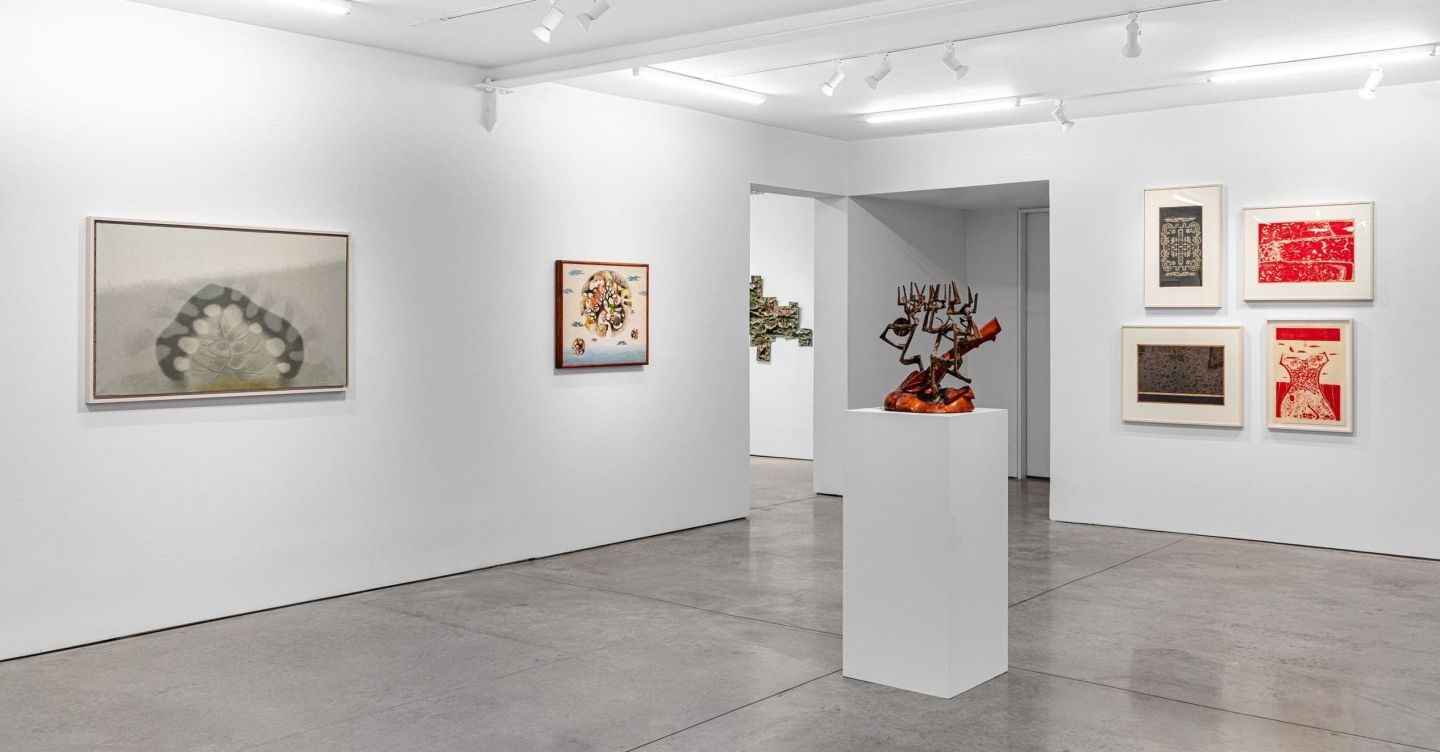
RYAN LEE Gallery is pleased to announce Waves of Knowing, an exhibition of paintings, sculpture, and works on paper by artists associated with the Metcalf Chateau group from Hawai‘i: Satoru Abe (1926-2025), Bumpei Akaji (1921-2002), Tetsuo Ochikubo (1923- 1975), Tadashi Sato (1923-2005), and Harry Tsuchidana (1932-). Many of these artists have never been shown on the mainland United States, or haven’t been shown on the mainland since the 1960s. Their work combines the ideas of Abstract Expressionism learned during their time in New York and Europe with inspiration from the Hawaiian landscape and waters.
Waves of Knowing
April 9 – May 9, 2026
Reception:
April 9, 2026
, 6:00 - 8:00 PM
Press Release [PDF]
Inquire
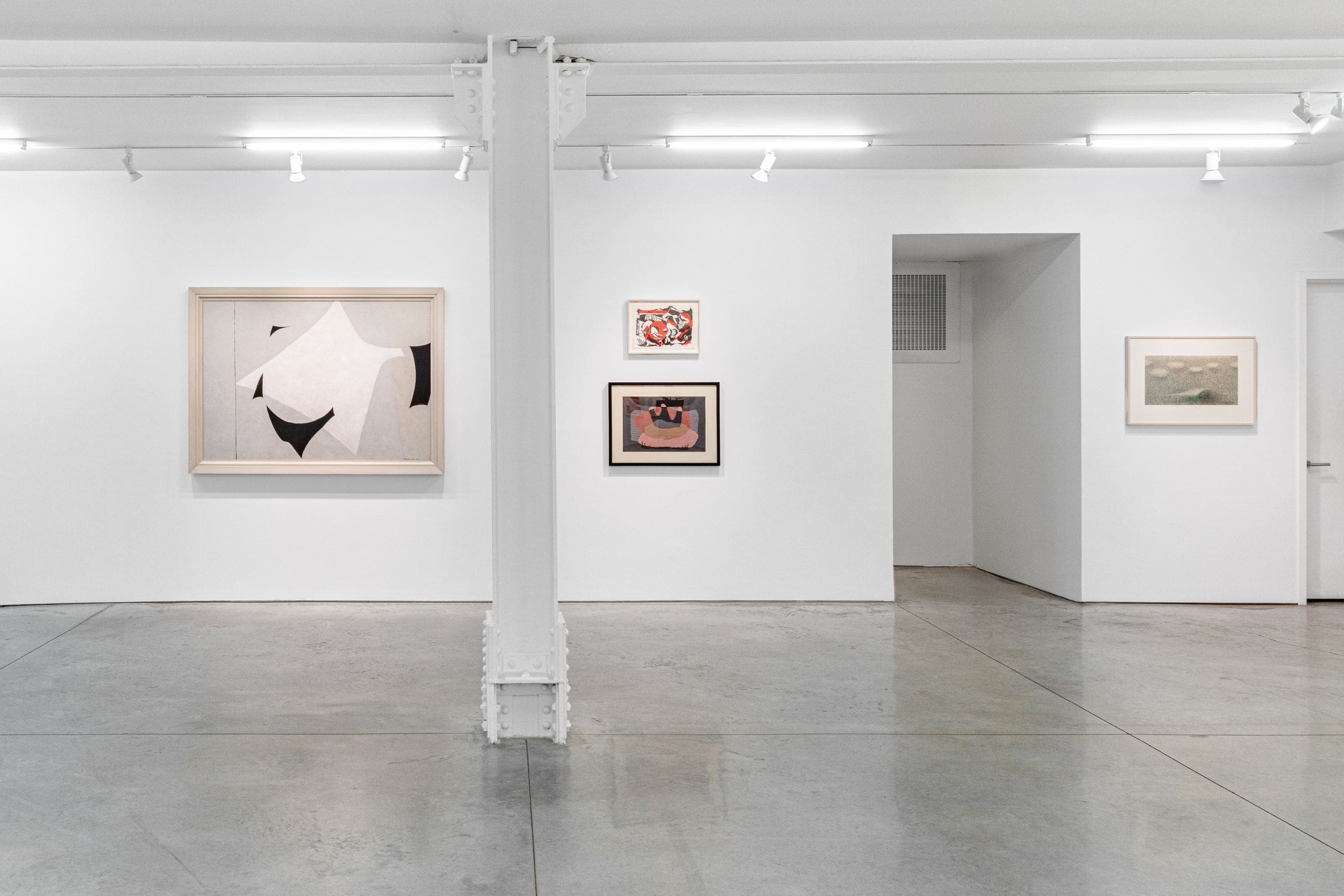

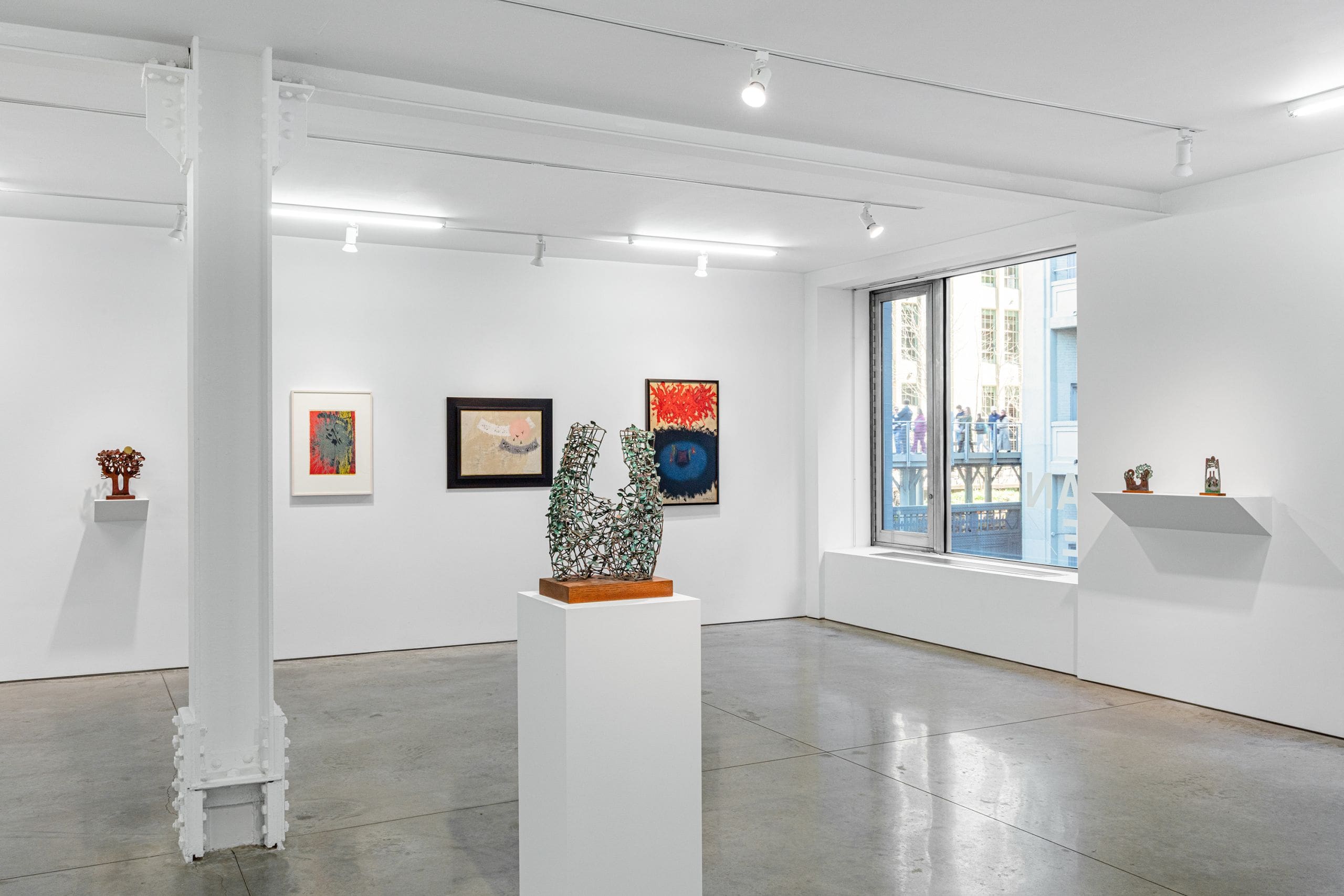
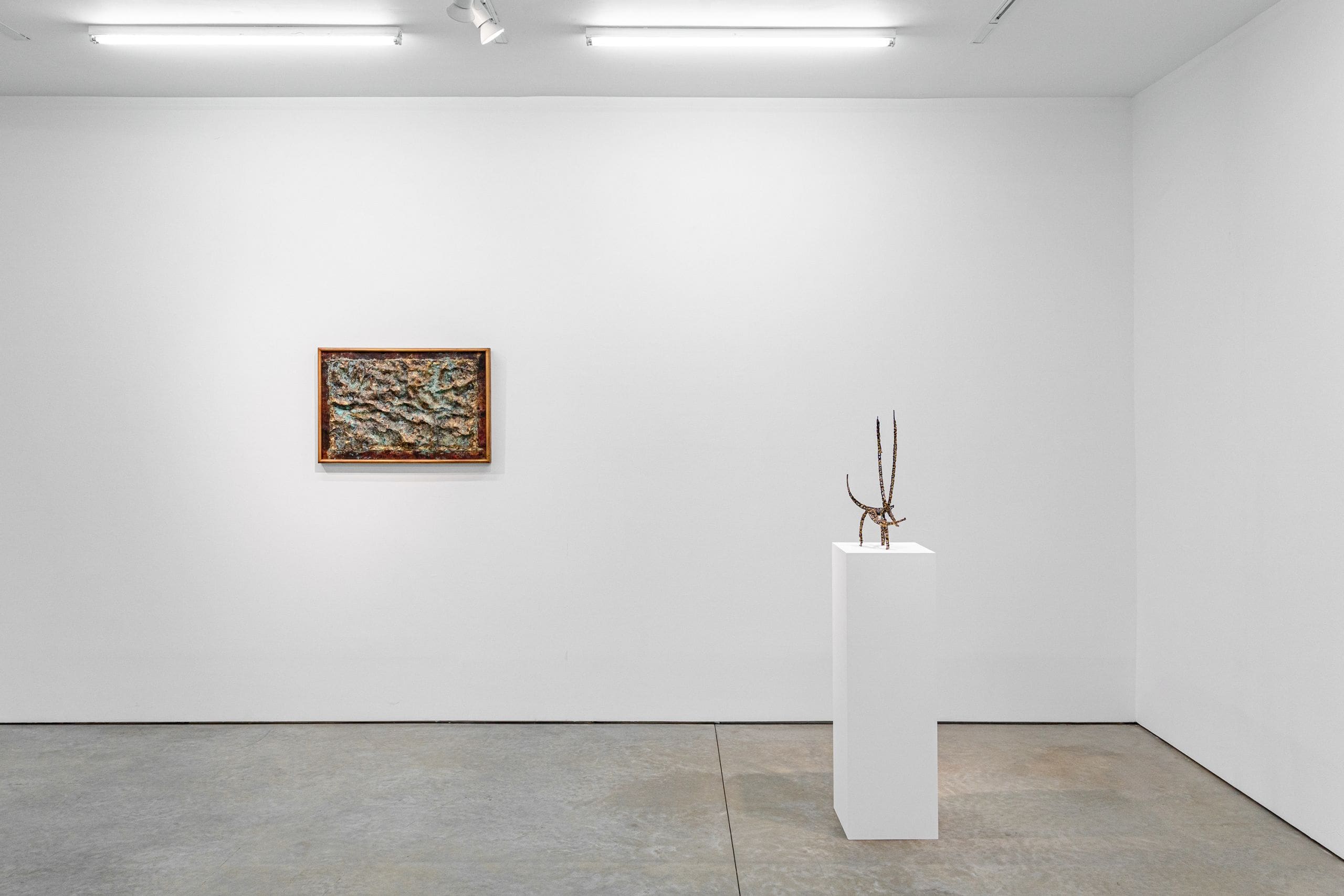
Abe, Akaji, Ochikubo, and Sato were four of the original seven Metcalf Chateau artists. In 1954, these artists opened an impromptu exhibition that profoundly reshaped the local art scene and captured the attention of Robert Griffing, Jr., director of the then-Honolulu Academy of Arts, who organized a subsequent group exhibit that propelled these artists to wider recognition. A bit younger than the original members, Tsuchidana later became integrated in the network and formed close relationships with the group
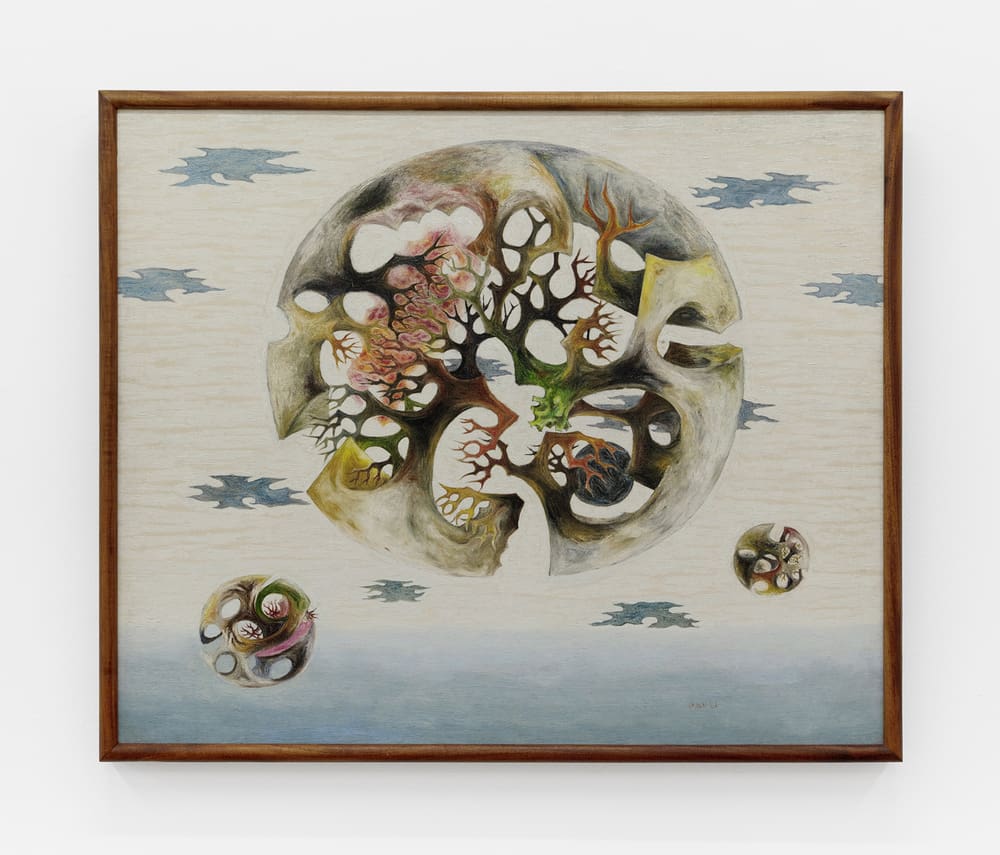
Satoru Abe
Skyward
1962
Oil on canvas mounted on board
29 1/2 x 24 1/2 inches (74.9 x 62.2 cm)
Mentored by Isami Doi, all of these artists were born in Hawai‘i to Japanese immigrant parents. They traveled to New York, Europe, and Japan to study art – many of them taking advantage of the GI Bill after serving in the US military. Akaji and Ochikubo served in the 442nd Infantry during World War II – a segregated unit of Nisei Japanese American soldiers – even while Japanese Americans faced internment camps.
Abe and Sato were the first to travel to New York – the latter after his teacher Ralston Crawford arranged a scholarship to study art at the Brooklyn Museum Art School. Abe had a workspace at SculptureCenter in New York starting in 1956, and held several solo exhibitions there in the 1960s. In the 1950s and 60s, Sato showed at Willard Gallery and Ochikubo at Krasner Gallery, two New York galleries specializing in modern art. They later returned to live and work in Hawai‘i. Their artwork is a fusion of their life experiences including time spent in New York, Japan, or Europe absorbing the international language of abstraction, studying traditional Japanese art, as well as reflecting upon the nature, history, and culture of Hawai‘i.
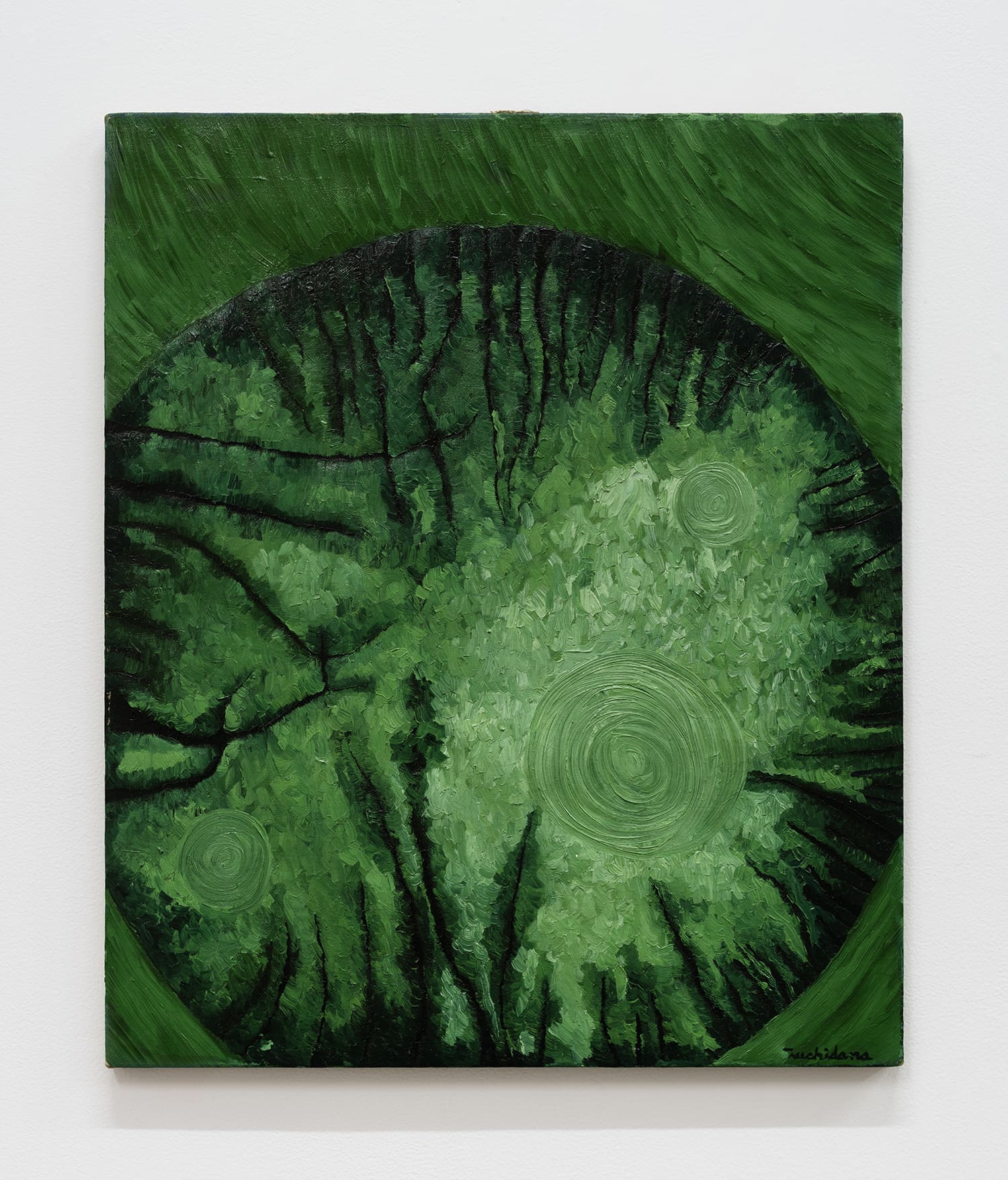
Harry Tsuchidana
Untitled
c. 1960
Oil on canvas
24 x 20 inches (61 x 50.8 cm)

Tadashi Sato
Untitled (Rock with Twig)
1964
Oil on canvas
50 x 68 inches (127 x 172.7 cm)
Inquire
Tadashi Sato
Untitled (Rock with Twig)
1964
Oil on canvas
50 x 68 inches (127 x 172.7 cm)
Inquire

Satoru Abe
Trees
c. 1986-96
Hand-cut copper and wood
6 x 5 3/4 x 2 inches (15.2 x 14.6 x 5.1 cm)
Inquire
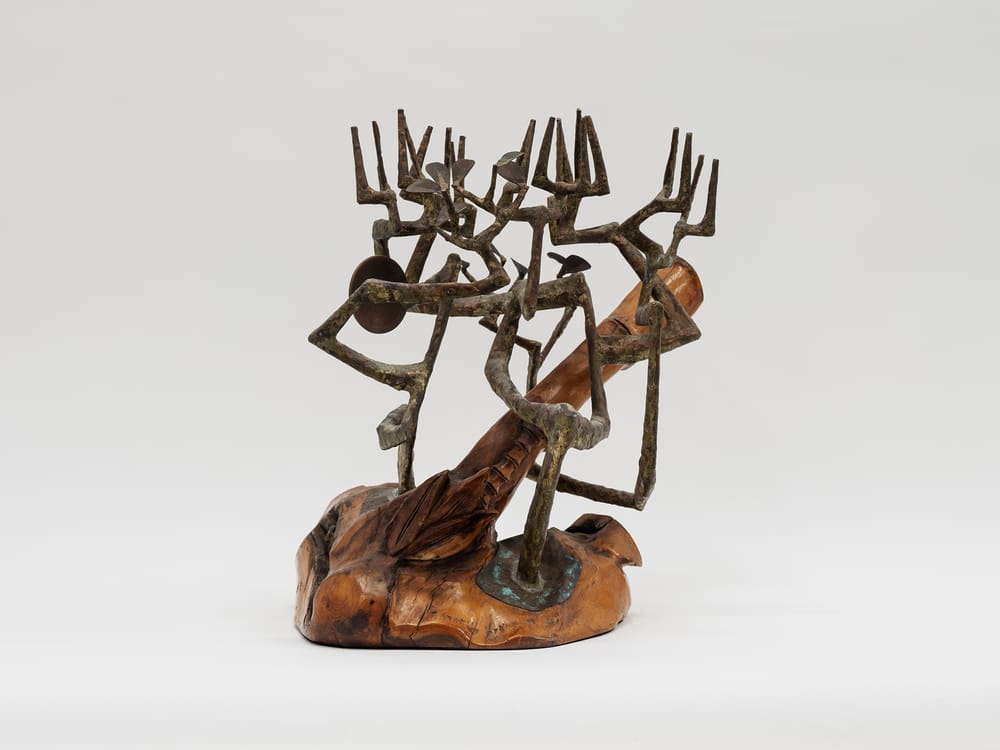
Satoru Abe
Untitled
2007
Welded copper and wood
20 1/4 x 16 1/2 x 15 inches (51.4 x 41.9 x 38.1 cm)

Bumpei Akaji
Untitled (#5)
c. 1960
Welded Copper
19 x 8 x 8 inches (48.3 x 20.3 x 20.3 cm)
Many Abstract Expressionist painters looked to Asia for inspiration – from the minimalism of Zen Buddhism to the expressive lines of Japanese calligraphy and the spontaneous chance of the I Ching – but this connection had a different and deeper meaning for artists who belonged to the Asian diaspora. They melded their identities and family history with their exploration of new forms of artistic expression to create something that was uniquely their own. Their work reflects Hawai‘i’s distinctive position as a nexus between Asia and North America yet also isolated thousands of miles away from other land masses. Hawai‘i’s volcanic landscape is made and remade over again, a uniquely American melting pot of reinvention with a complex history of colonization.
Inquire
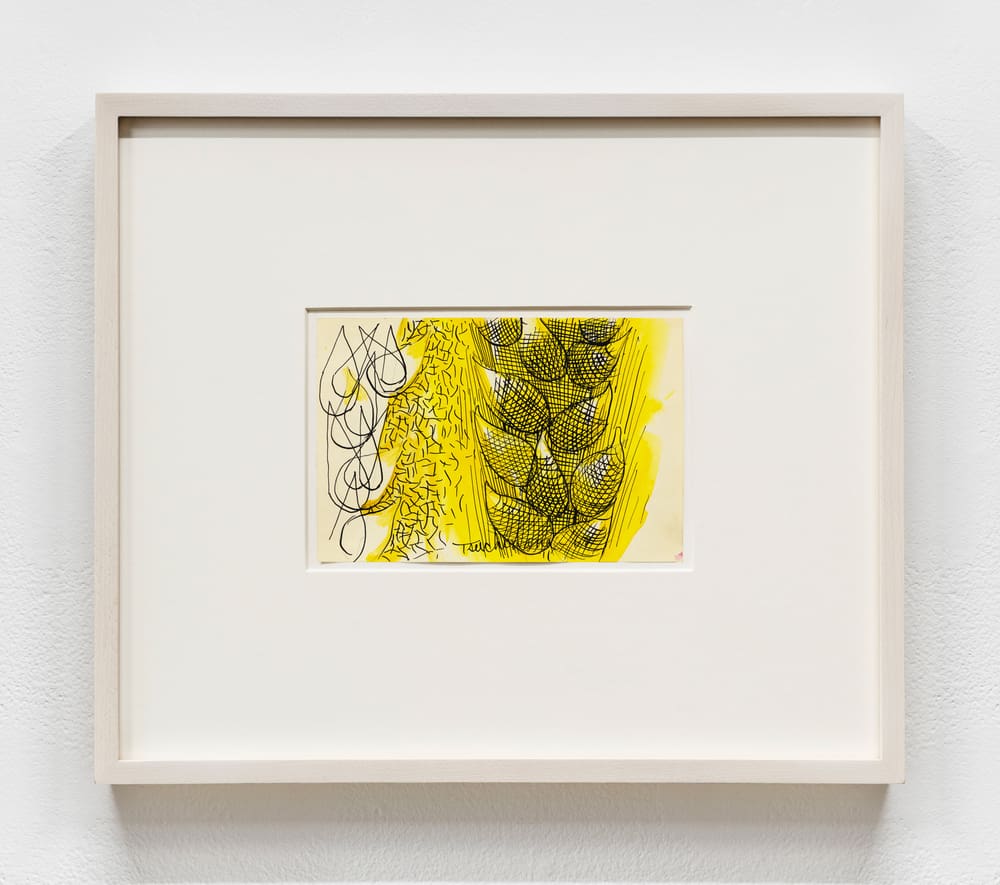
Harry Tsuchidana
Untitled (Abstract Yellow)
1967
Watercolor
Paper Dimensions: 4 x 6 inches (10.2 x 15.2 cm)
Framed Dimensions: 11 1/4 x 13 1/4 inches (28.6 x 33.7 cm)
Inquire

Harry Tsuchidana
Untitled (Blue Reeds)
1967
Paper Dimensions: 4 x 6 inches (10.2 x 15.2 cm)
Framed Dimensions: 11 1/4 x 13 1/4 inches (28.6 x 33.7 cm)
In their essay in the accompanying exhibition catalog, Tyler Cann and Alejandra Rojas Silva write, “The works in this show reflect distinct, personal artistic visions nestled within sets of collective networks and shared stories. … Branching out while merging together, their proliferating wave, tree, and rootlike forms show these artists negotiating the tensions between individuality and collectivity in their work itself. The title of the exhibition is borrowed from the book Waves of Knowing: A Seascape Epistemology by Karin Amimoto Ingersoll, which articulates an indigenous Hawaiian way of knowing founded on a sensorial, intellectual, and embodied literacy of the ocean.

Satoru Abe
Three Waves
1969
Woodblock
Image Dimensions: 15 x 22 1/2 inches (38.1 x 57.2 cm)
Paper Dimensions: 19 x 27 1/2 inches (48.3 x 69.9 cm)
Framed Dimensions: 23 3/4 x 30 3/4 inches (60.3 x 78.1 cm)
Edition size unknown
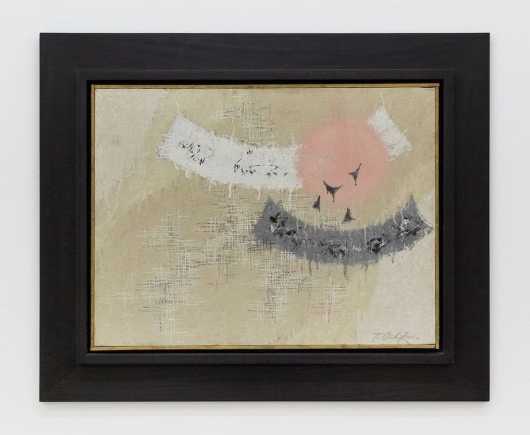
Tetsuo Ochikubo
Abstract
1958
Oil on canvas
18 x 24 inches (45.7 x 61 cm)
Framed Dimensions: 26 x 32 inches (66 x 81.3 cm)
Satoru Abe (1926-2025), born in Honolulu (O‘ahu), was a skillful artist whose work spanned many mediums – painting, printmaking, and sculpture. Trees, seeds, and wheels are recurring motifs throughout the artist’s practice, originating from his interest in nature and Buddhism. His work is in the collections of the Brooklyn Museum, NY; Collection of the Hawai‘i State Foundation on Culture and the Arts, HI; Honolulu Museum of Art, HI; Smithsonian American Art Museum, DC; and the Whitney Museum of American Art, NY. In 1963, he was awarded a prestigious Guggenheim Fellowship
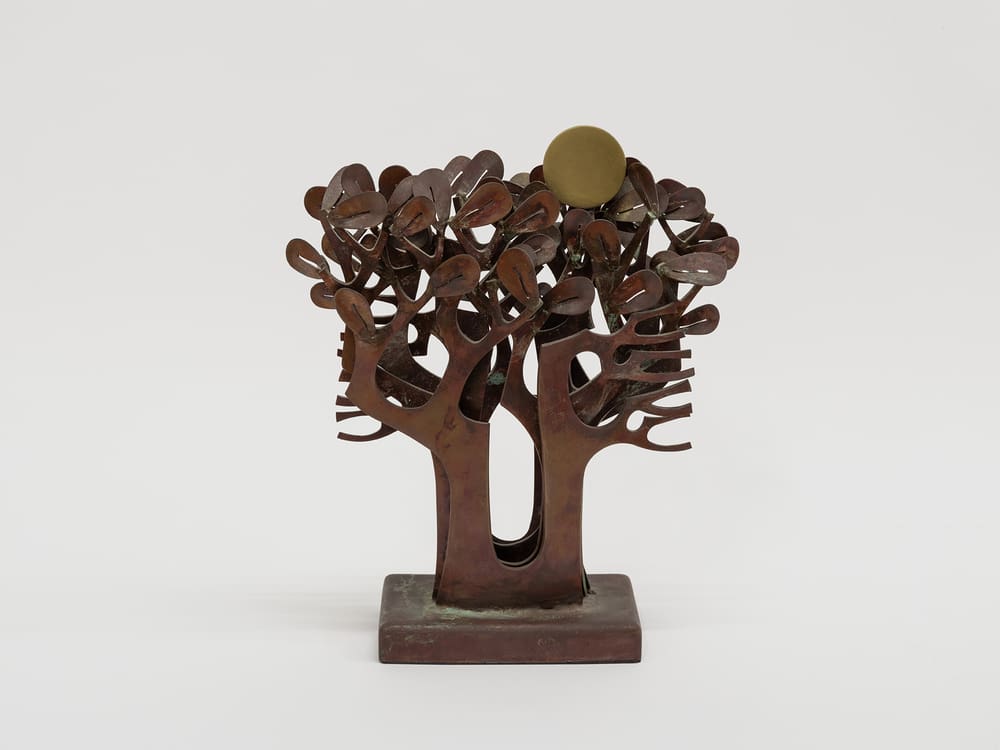
Satoru Abe
Tree
2008
Welded copper and bronze
13 x 11 x 5 inches (33 x 27.9 x 12.7 cm)

Bumpei Akaji
Untitled
c. 1960
Copper wall relief
34 x 57 inches (86.4 x 144.8 cm)
Bumpei Akaji (1921-2002), born in Lāwa‘i (Kaua‘i), was an artist primarily known for crafting hammered and patinated metal surfaces that evoke the struggles of heat, time, and nature. The raw exteriors of his works belie the elegance of their calligraphic curves. His work is in the collections of the Hawai‘i State Foundation on Culture and the Arts, HI and the Honolulu Museum of Art, HI. Marking the importance of the Pearl Harbor attack in the history of Hawai‘i, Akaji’s Eternal Flame Memorial stands across the street from the Hawai‘i State Capitol Building.
Tetsuo Ochikubo (1923-1975), born in Waipahu (O‘ahu), was a painter and printmaker known for his accomplished craftsmanship and extraordinary sensitivity to color and texture. In a 1958 New York Times article, Dore Ashton described Ochikubo “holding colors to their most subtle tonalities and forms to their most ornamental simplicity. There is in this work a quiet effort to reduce experience to its essentials.” His work is in the collections of the Art Institute of Chicago, IL; Buffalo AKG Art Museum, NY; Detroit Institute of Arts, MI; de Young Museum, CA; Hawai‘i State Foundation on Culture and the Arts, HI; Hirshhorn Museum and Sculpture Garden, DC; Los Angeles County Museum of Art, CA; Museum of Modern Art, NY; National Gallery of Art, DC; Philadelphia Museum of Art, PA; and Walker Art Center, MN, among others. He was awarded a John Hay Whitney fellowship in 1957, a John Simon Guggenheim fellowship in 1958, and a Tamarind Lithography fellowship in 1961.

Tetsuo Ochikubo
Untitled (Abstract Expressionist Composition)
1963
Lithograph
Image Dimensions: 17 1/2 x 12 1/4 inches (44.5 x 31.1 cm)
Paper Dimensions: 19 7/8 x 14 7/8 inches (50.5 x 37.8 cm)
Framed Dimensions: 28 1/8 x 21 1/4 inches (71.4 x 54 cm)
Edition of 3
Inquire
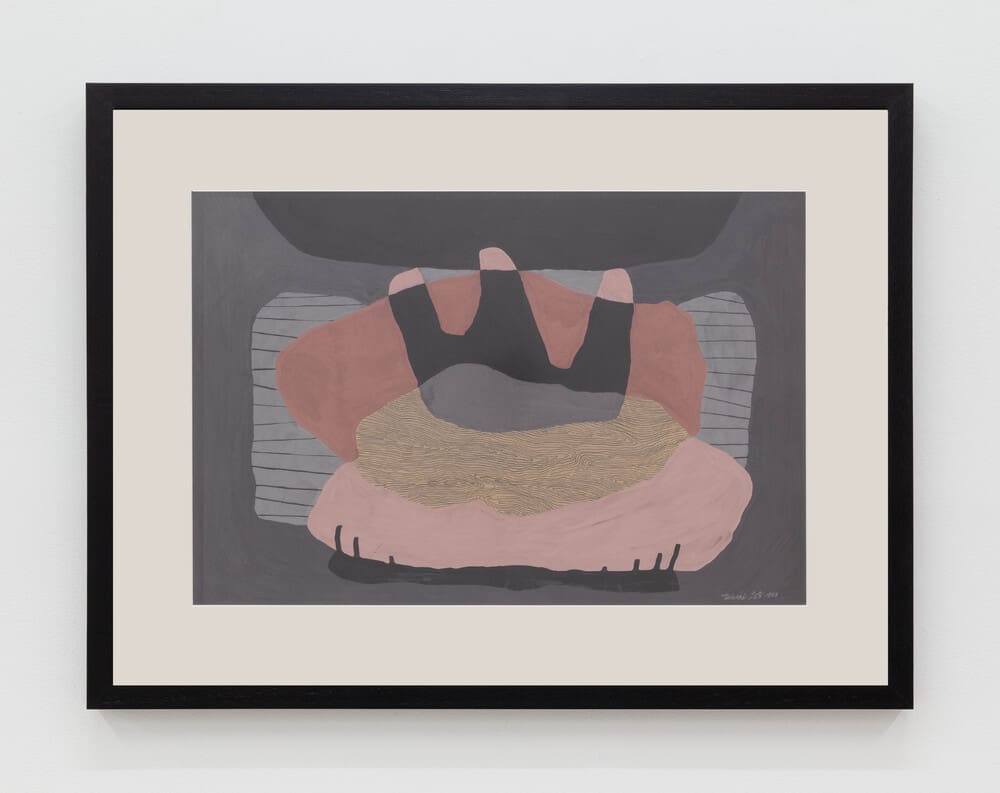
Waves of Knowing
Untitled
1953
Gouache
Image Dimensions: 14 1/2 x 21 1/2 inches (36.8 x 54.6 cm)
Framed Dimensions: 21 3/4 x 28 3/4 inches (55.2 x 73 cm)
Tadashi Sato (1923-2005), born in Kaupakulua (Maui), took inspiration from nature, Buddhism, and calligraphy to create his abstract compositions. He completed public commissions for three public libraries, the Honolulu Academy of Arts, the Kona Hospital, the Hawai‘i State Capitol, and the War Memorial Gymnasium on Maui. His work is in the collections of the Buffalo AKG Art Museum, NY; Hawai‘i State Foundation on Culture and the Arts, HI; Honolulu Museum of Art, HI; Modern Art Museum of Fort Worth, TX; Museum of Modern Art, NY; Smithsonian American Art Museum, DC; The Vilcek Foundation, NY; Whitney Museum of American Art, NY; and the Worcester Art Museum, MA; among others.
Harry Tsuchidana (1932-), born in Waipahu (O‘ahu), is an expansive artist whose work stretches from explorations of natural motifs to geometric abstraction. He developed a robust sense of pictorial structure and space, counting Arthur Dove and Piet Mondrian as major influences. His work is in the collections of the Museum of Friends, CO; State Foundation on Culture and the Arts, HI; and the Whitney Museum of American Art, NY. In 1959, Tsuchidana received a John Hay Whitney Fellowship
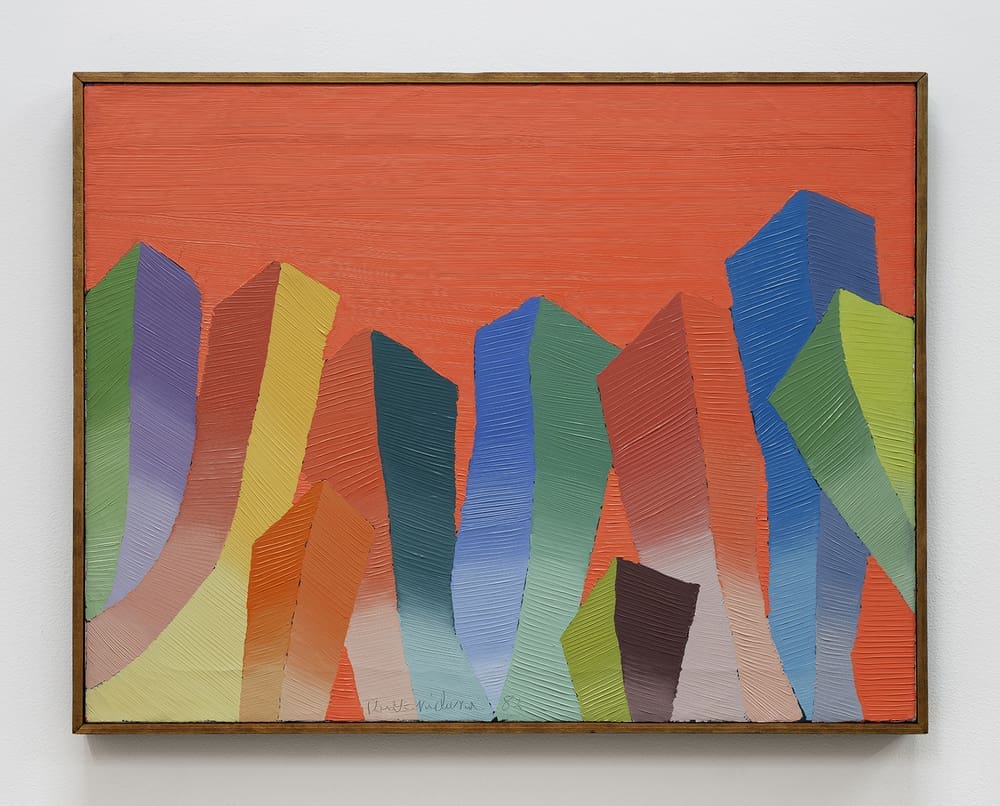
Harry Tsuchidana
Untitled
1982
Oil on linen
21 x 26 1/2 inches (53.3 x 67.3 cm)


