Stephanie Syjuco
b. 1974 Manila, Philippines; Lives and works in San Francisco, CA























BIOGRAPHY
Stephanie Syjuco (b. 1974 Manila, Philippines) is known for her investigative, research-based practice encompassing photography, sculpture, and installation. Progressing from handmade and craft-inspired mediums to digital editing and archive excavations, her work employs open-source systems, shareware logic, and capital flows to scrutinize issues related to economies and empire. Syjuco’s multimedia social practice ties pedagogy and research to study and highlight the tension between the authentic and the counterfeit across a wide range of media, thus problematizing long-held assumptions about history, race, and labor. “Many of my projects involve public participation to create or build the final work,” Syjuco explains. “I see this collective effort as both a socially and politically engaged process because it encourages people to take agency in creating something together, as opposed to being a passive observer of an artwork.”
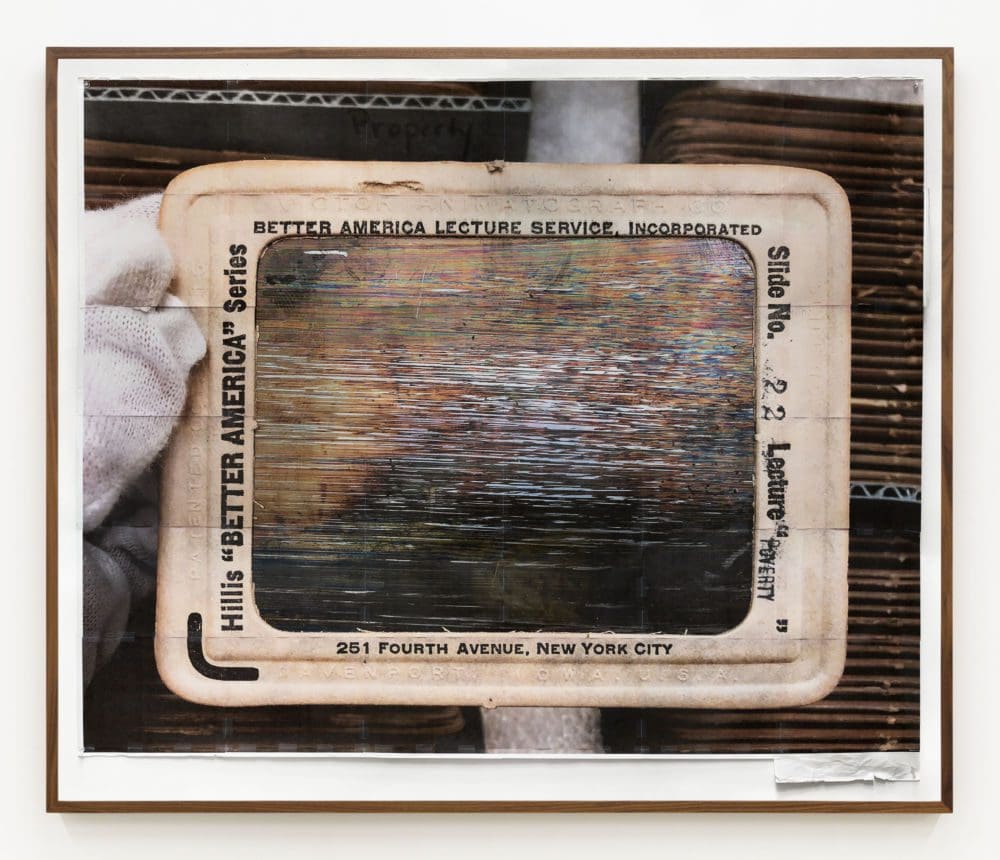
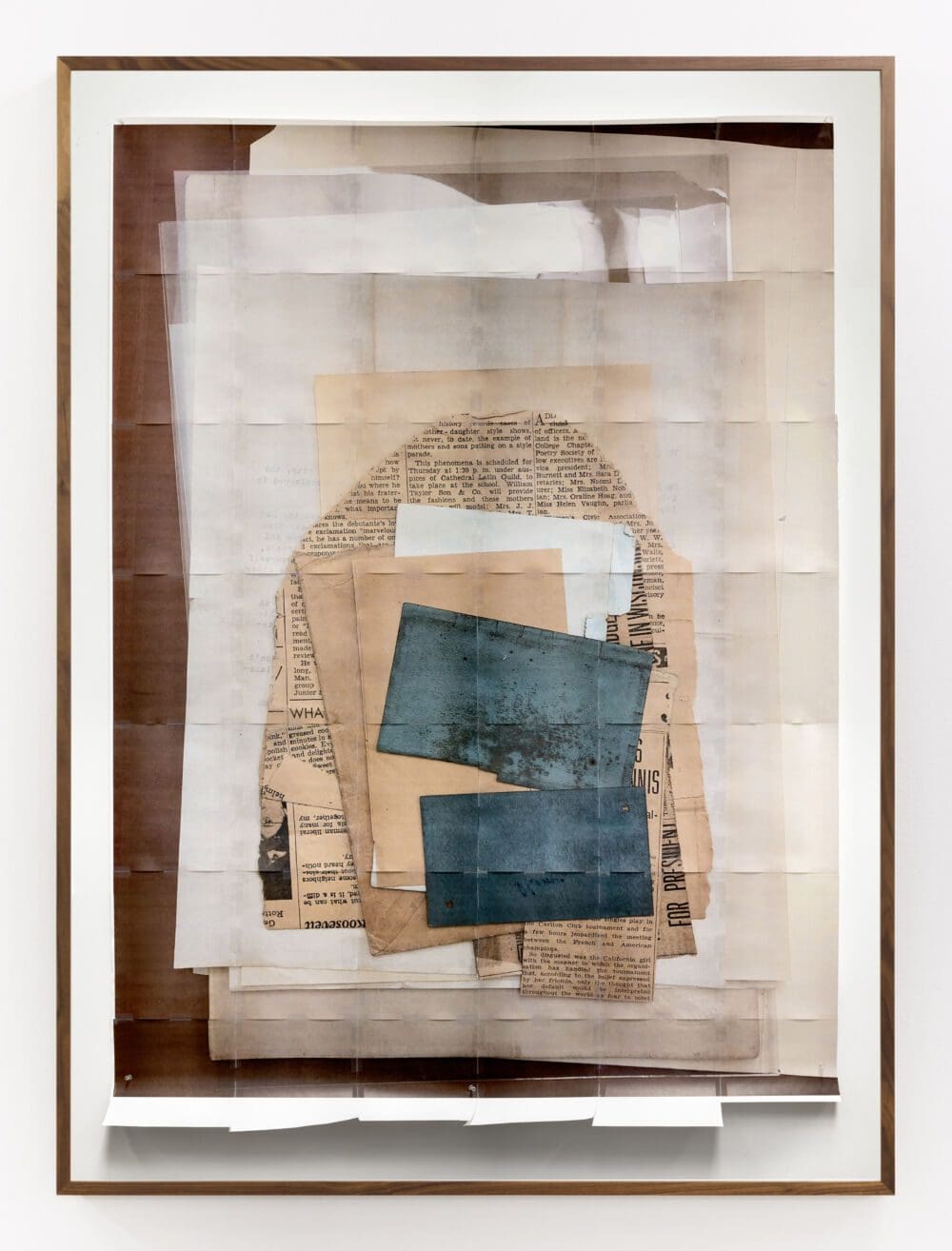
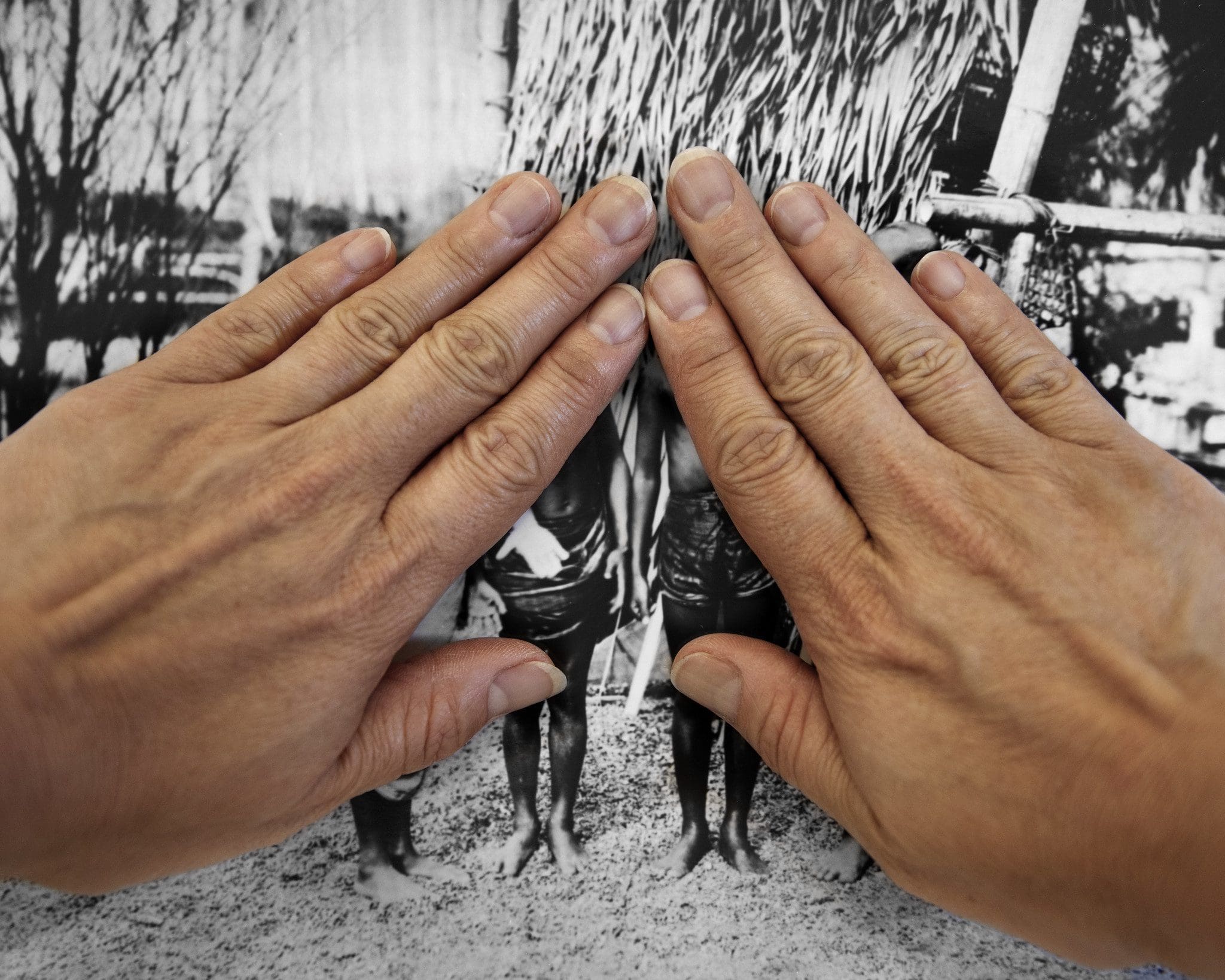
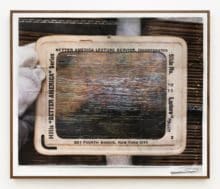
Initially exploring image-based processes and their implications in constructing racialized, exclusionary narratives of American history and citizenship, she has shifted her focus to the history-building and myth-making undertaken by Filipinos in their newfound independence. From critiquing images of American colonial anthropology in the Philippines, to investigating historical museum collections and shuttered newspaper archives, her projects attempt to reframe and “talk back” to the archive.
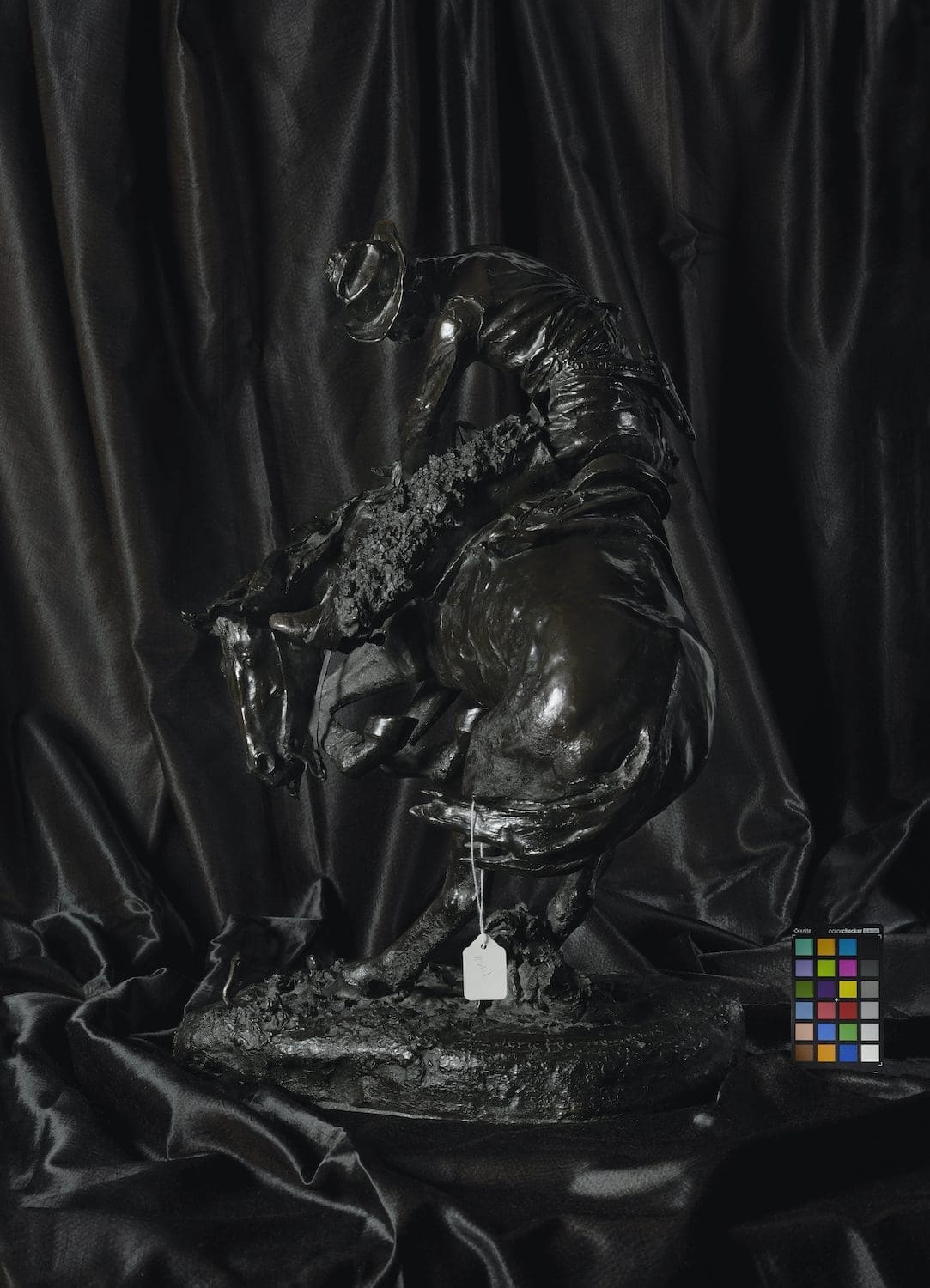
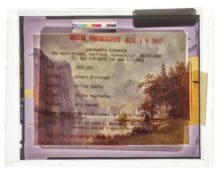
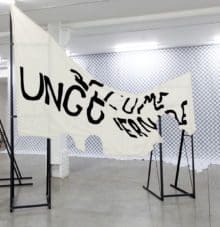
Previous projects include starting a global collaboration with crochet crafters to counterfeit high-end consumer goods; presenting a parasitic art counterfeiting event, “COPYSTAND: An Autonomous Manufacturing Zone” at Frieze Projects, London (2009); and “Shadowshop,” an alternative vending outlet embedded at SFMOMA that explored how artists navigate the production, consumption and dissemination of their own work (2010-11). In 2016, Syjuco was commissioned by Art in America to illustrate an article on virtual reality museum tours, for which she produced eight 3D captures of American colonial displays at the de Young Museum and used glitches to emphasize the hidden histories of these artworks and artifacts.
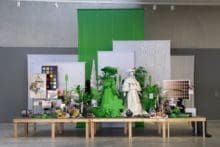
Questions of citizenship, dissent and activism are important themes within Syjuco’s practice. Her project Cargo Cults (2016) revisits historical ethnographic studio portraiture via a fictional display in which the artist herself poses wearing mass-manufactured goods purchased from American shopping malls mirroring “ethnic” patterning and costume. Purchased on credit cards and returned for full refund after the photo shoots, the cheap garments hail from the distant lands of Forever21, H&M, American Apparel, Urban Outfitters, Target, The Gap, and more.
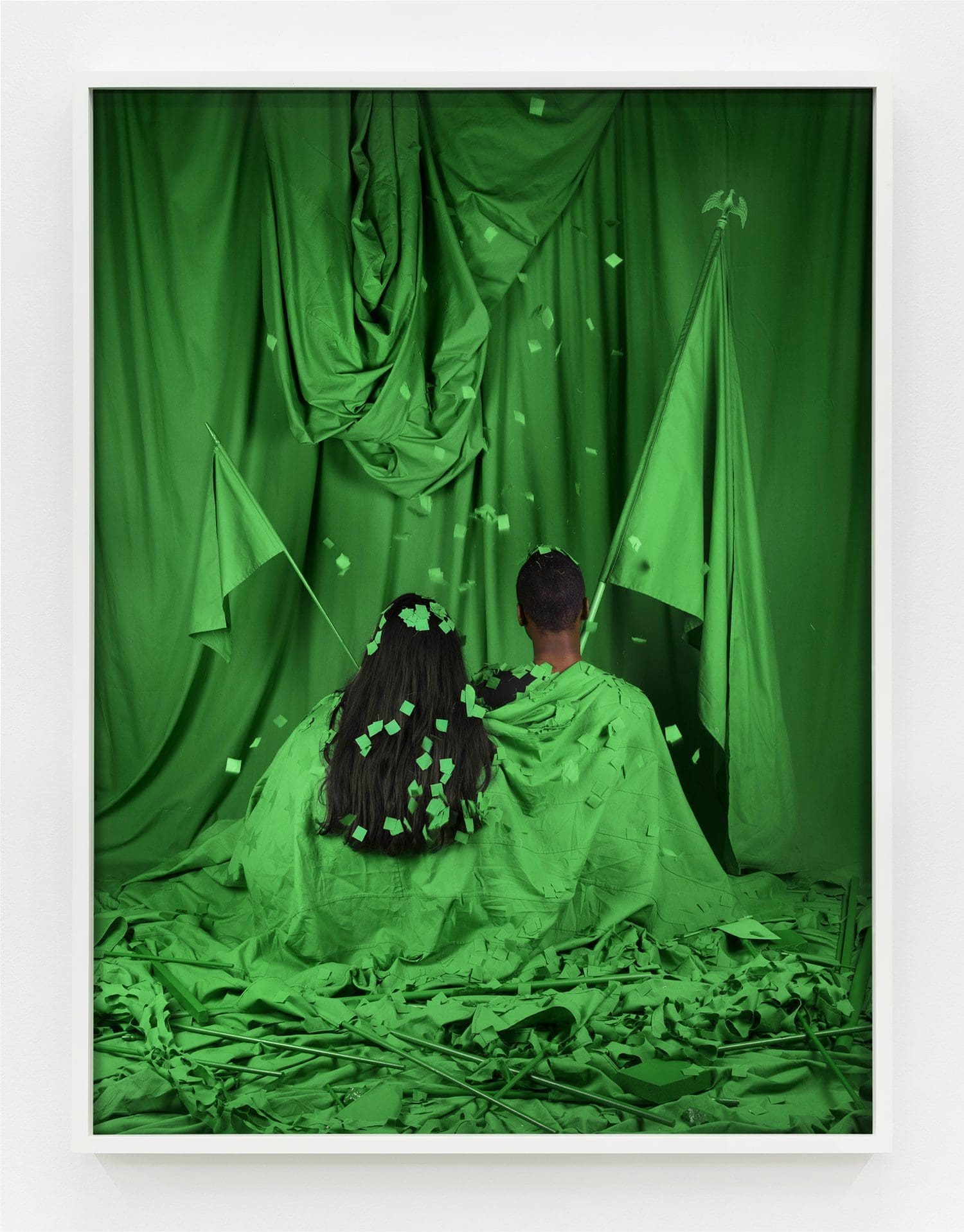
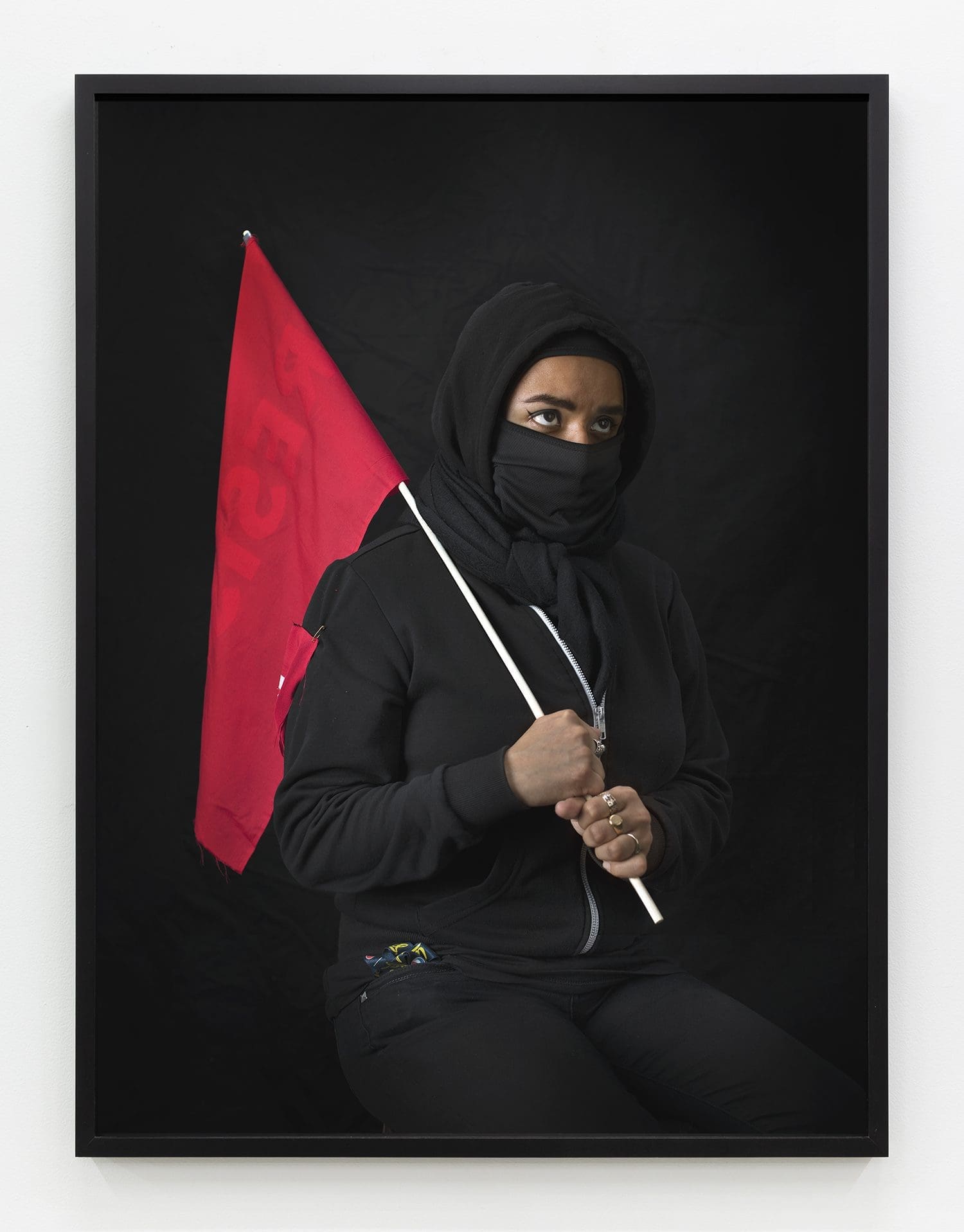
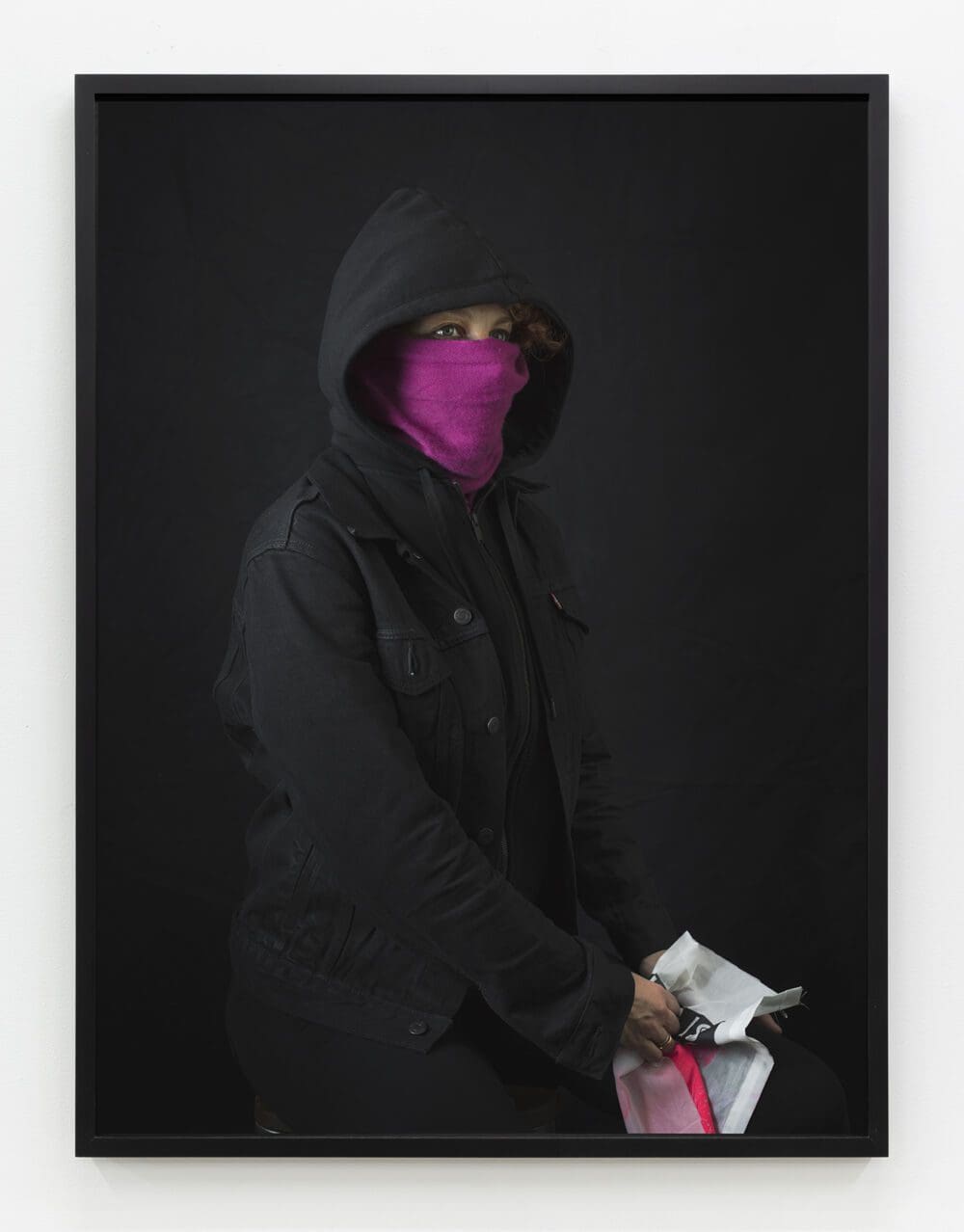
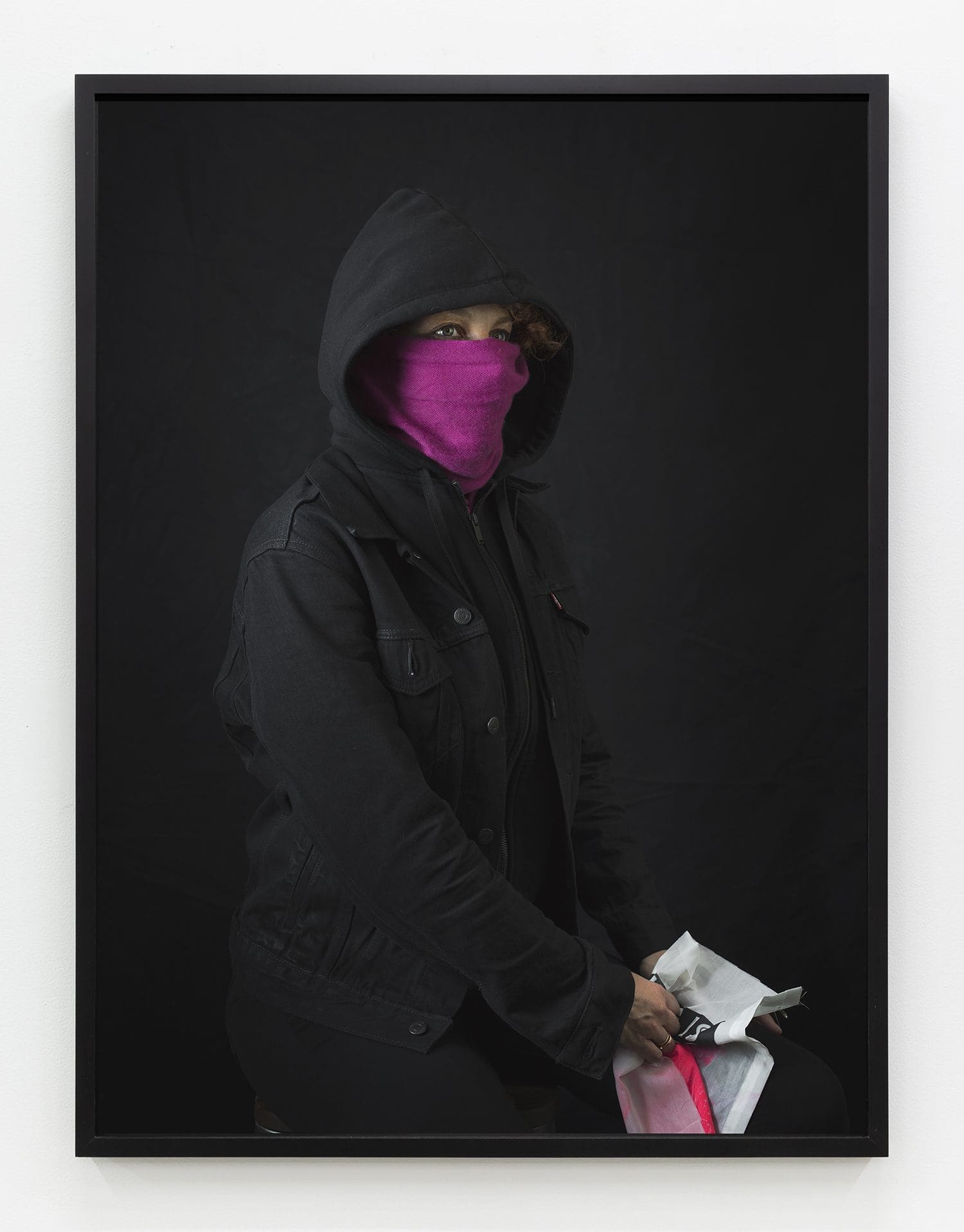
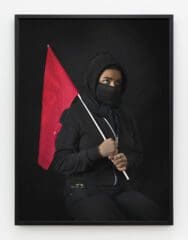
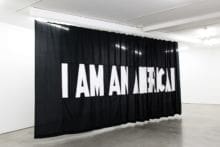
Syjuco’s CITIZENS projects (2017) turn an eye to national strife within the United States, protestors and the rights of DACA recipients. By camouflaging four of her students in black-clad ensembles, she allows each sitter to inhabit a temporary fantasy of themselves as an active resistor while protecting their identities. These portraits, that present each subject as simultaneously imposing and vulnerable, make a statement on today’s dangerous political climate. Syjuco’s dedicated work on the subject of citizenship and political protest was featured in Art21’s Cloth is a Battleground in Stephanie Syjuco’s “CITIZENS.”
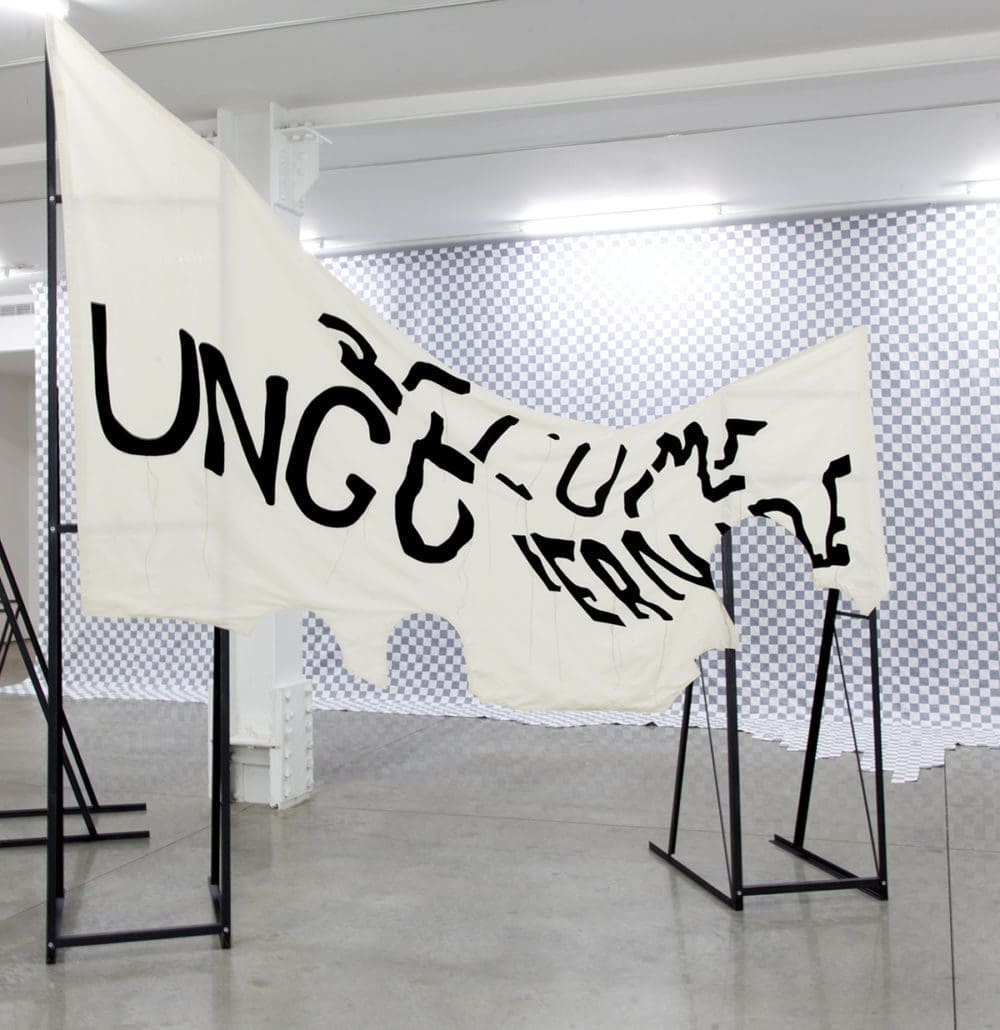
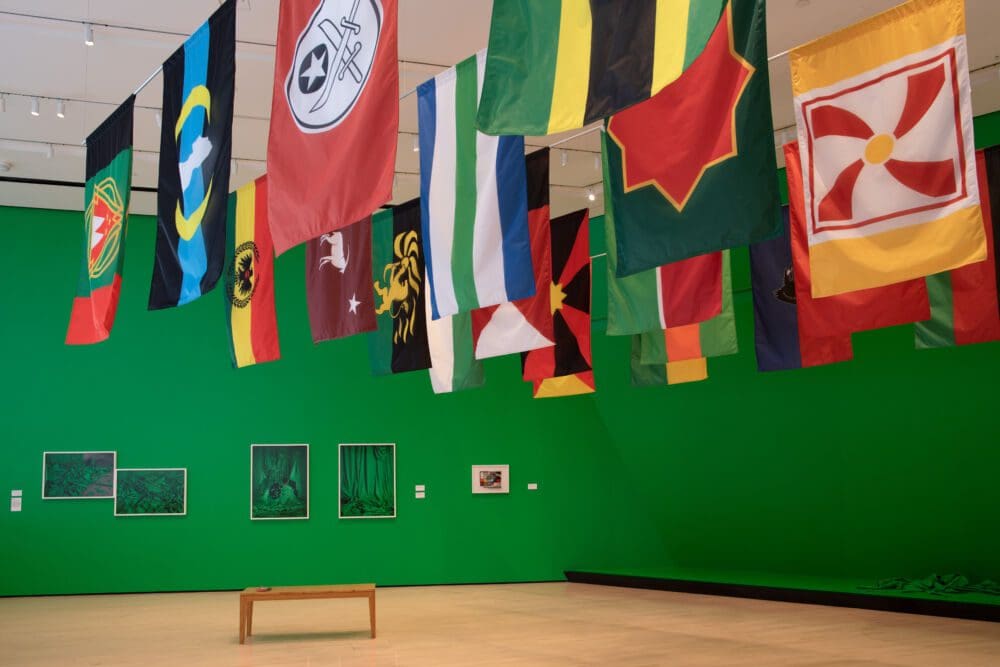
For her installation Rogue States (2018), Syjuco hung from the ceiling rows of fictional flags of made-up countries from Africa, the Middle East, Asia, Eastern Europe, and Central and South America, all culled from American and European movies that position these countries as terrorist, backward, resistant, or unstable. From Hollywood blockbusters to comedy television shows, these rogue states carry the projected weight and fear of the uncontrollable “Other.”
Syjuco received her MFA from Stanford University and her BFA from the San Francisco Art Institute. She received a Smithsonian Artist Research Fellowship in 2019, a Guggenheim Fellowship Award in 2014, and a Joan Mitchell Painters and Sculptors Award in 2009. A long-time arts educator, Syjuco taught at Stanford University, California College of the Arts, San Francisco Art Institute, Mills College and Carnegie Mellon University before joining the faculty at University of California, Berkeley in 2014. She lives and works in Berkeley, California.
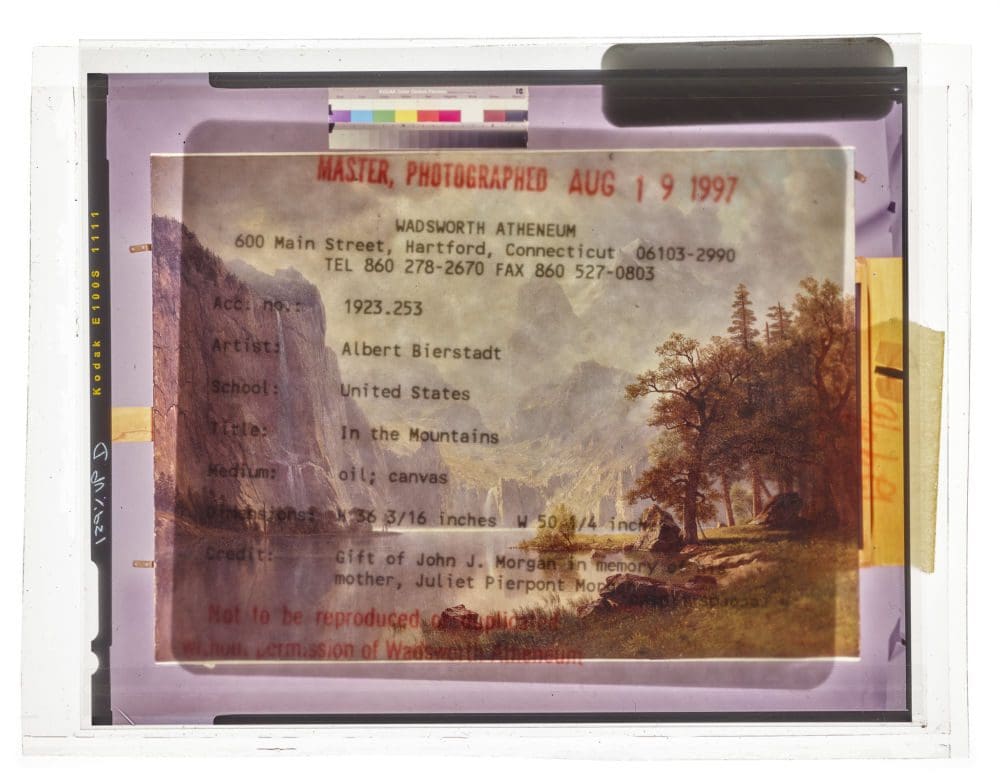
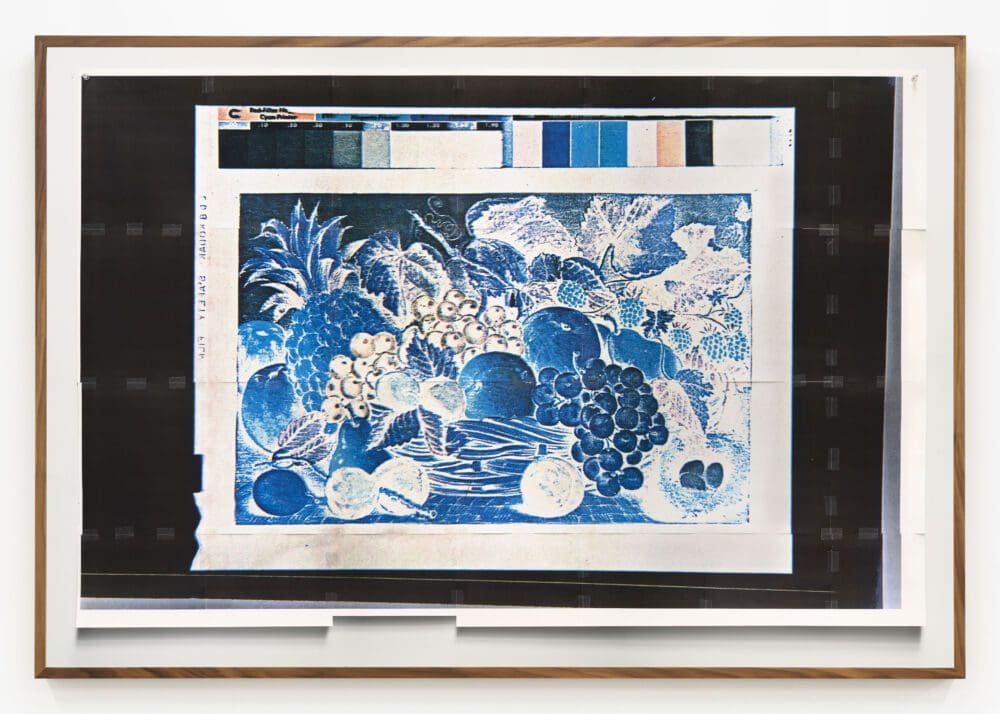
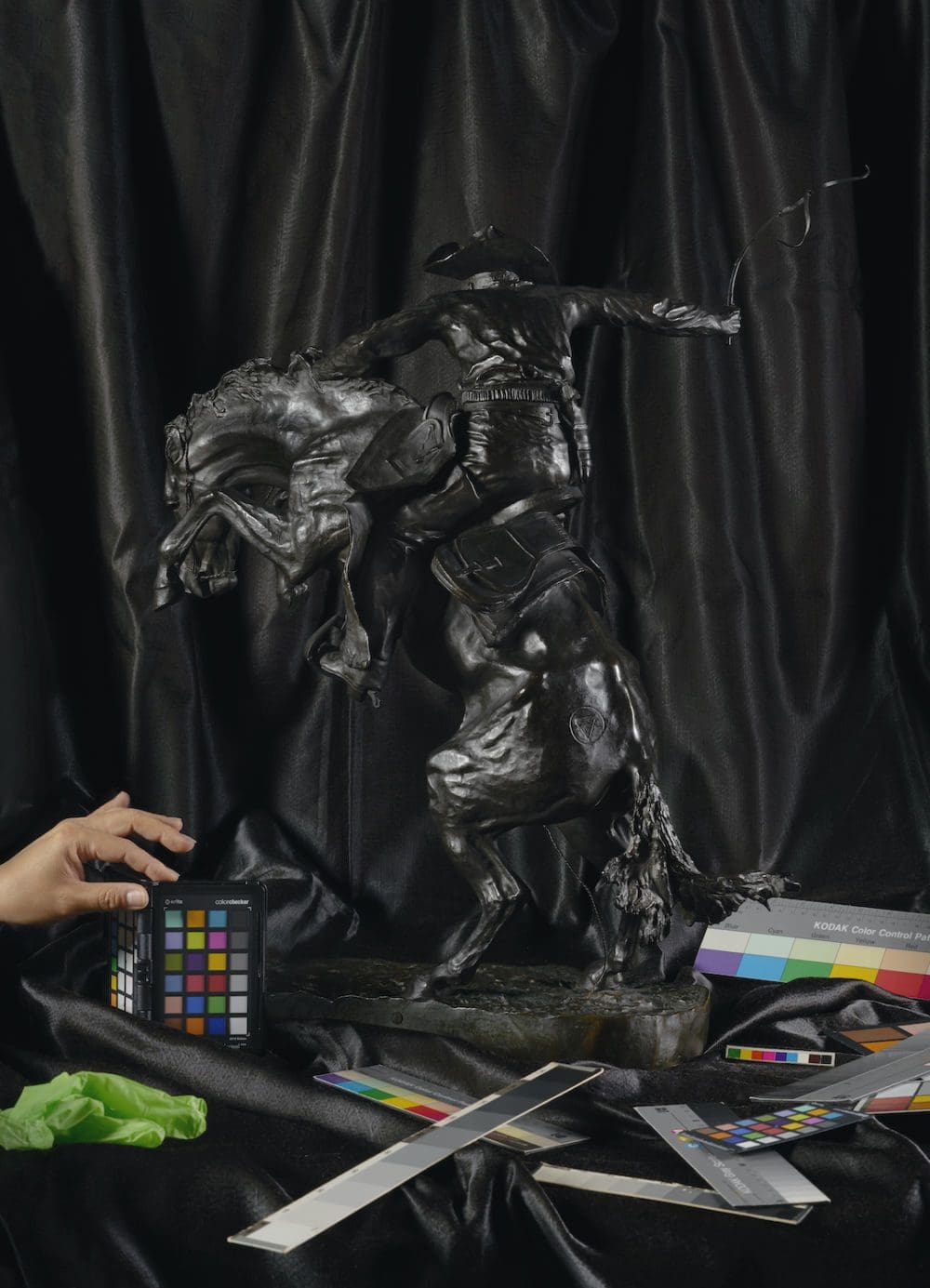
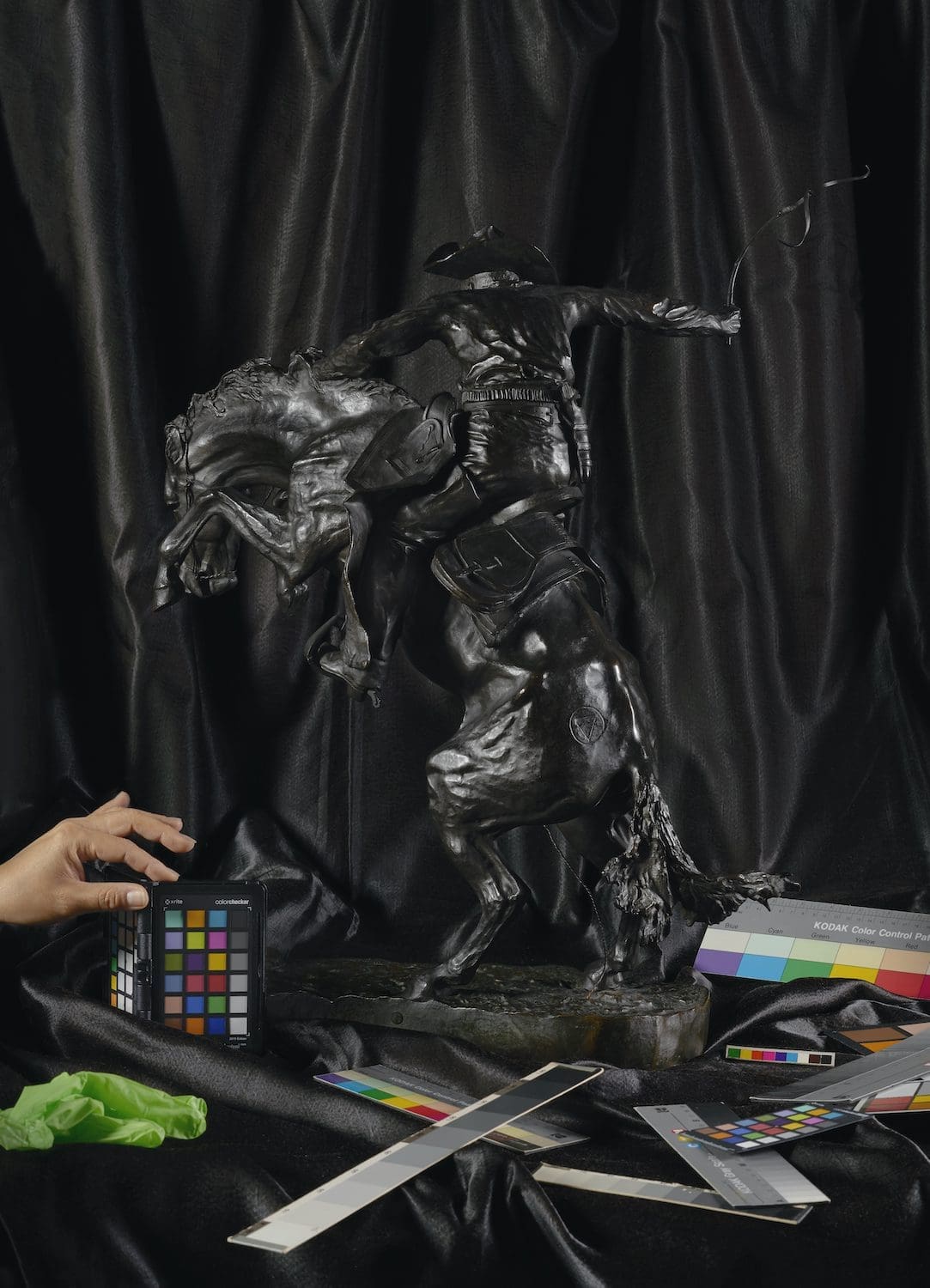
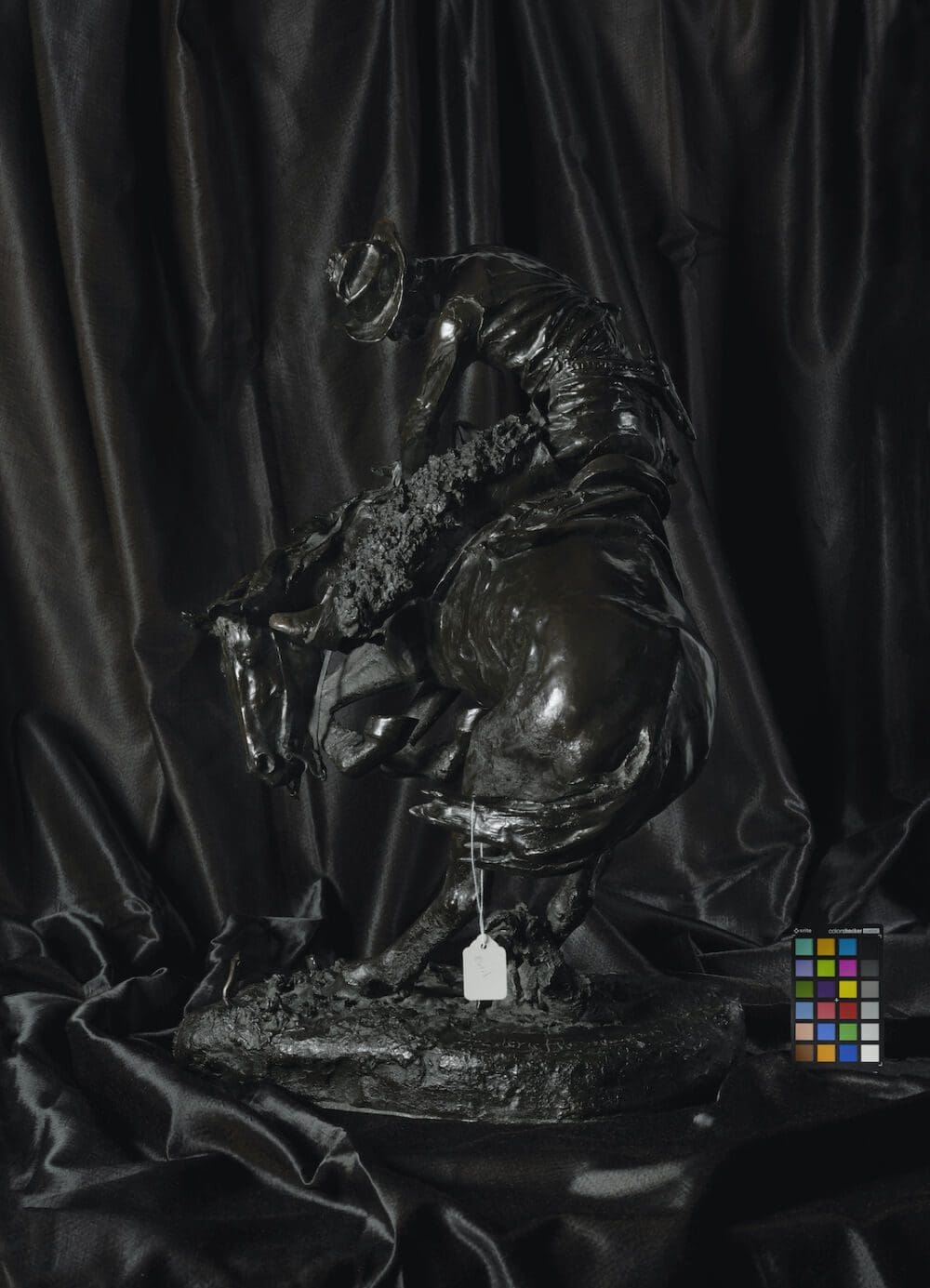
In 2025, Syjuco presented a new installation, Blind Spot (Artifacts) at the Hawai'i Triennial. In 2024, her work was the focus of a landmark solo exhibition at the Frye Art Museum, titled After/Images. That year, she also presented 5 murals across New Orleans as a part of the Prospect Triennial. In 2023, the artist was the focus of a solo exhibition at the MSU Broad Art Museum, titled Blind Spot. In 2022, she had four major solo exhibitions at museums across the United States: the Amon Carter Museum of American Art’s Stephanie Syjuco: Double Vision; Wadsworth Atheneum Museum of Art’s MATRIX 190/Image Trafficking; Anderson Collection at Stanford University’s Stephanie Syjuco: White Balance, Color Cast; and Law Warschaw Gallery at Macalester College’s Blow-Ups, Reprints, and Reversals.
Recently, Syjuco’s work has also been included in solo and group exhibitions at the Smithsonian American Art Museum, DC (2024); CCA Wattis Institute, CA (2024); Getty Center, CA (2024); ICA San José, CA (2024); Metropolitan Museum of Art, NY (2024); Guggenheim Museum, NY (2024); Amon Carter Museum of American Art, TX (2023); National Portrait Gallery (2023); Saint Louis Art Museum, MO (2023); and Broad Art Museum, CA (2022), among others.
Her work is held in the public collections of the Contemporary Art Museum St. Louis, MO; Columbus Museum of Art, OH; Contemporary Museum Honolulu, HI; Guggenheim Museum, NY; Minneapolis Institute of Art. MN; Museum of Fine Arts Houston, TX; Museum of Modern Art, NY; New Museum, NY; Portland Art Museum, OR; San Francisco Museum of Modern Art, CA; San Jose Museum of Art, CA; Smithsonian American Art Museum, DC; Saint Louis Art Museum, MO; Walker Art Center, MN; Weisman Art Museum, MN; and Whitney Museum of American Art, NY, among others.


